
Fiber, Gut Bacteria and Butyrate
How Gut Bacteria Convert Fiber Into Butyrate: A Journey to Holistic Health
Modern nutrition discussions often focus on nutrients found directly in food — proteins, fats, vitamins, minerals, and carbohydrates. However, one of the most crucial substances influencing human health is produced inside the colon by gut bacteria.
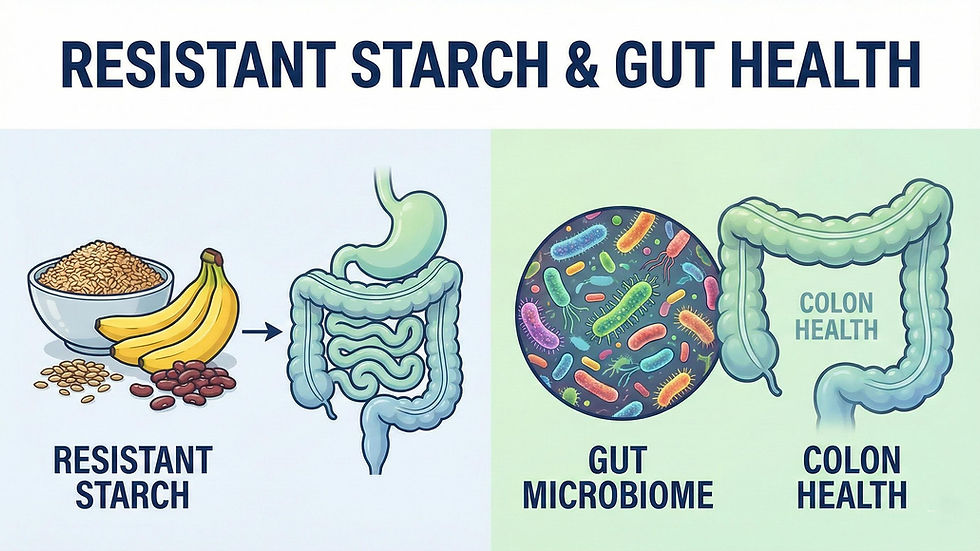
This substance is called butyrate. Butyrate is a short-chain fatty acid produced when beneficial gut bacteria ferment certain types of fiber and resistant starch that escape digestion in the small intestine. In simple terms, the body feeds the microbes, and the microbes produce compounds that help support the body in return. This is one of the clearest examples of the partnership between humans and the gut microbiome.
How Butyrate Is Produced
Many plant foods contain fibers and starches that are not fully digested in the upper digestive tract. These include oats, legumes, vegetables, bananas, flaxseed, psyllium, and whole grains. Another important source is resistant starch found in foods such as cooled rice and cooled potatoes.
When these materials reach the large intestine, gut bacteria ferment them and produce compounds known as short-chain fatty acids:
acetate
propionate
butyrate
Among them, butyrate plays a particularly important role in intestinal and metabolic health.
Why Butyrate Matters So Much
The cells lining the colon use butyrate as a major source of fuel. This is an important idea: the gut lining is nourished not only by food directly absorbed by the body but also by compounds manufactured through bacterial fermentation. Butyrate helps nourish the cells lining the colon, supports mucus production, and maintains the intestinal barrier — the protective lining that helps prevent unwanted substances, toxins, and bacterial by-products from passing too easily into circulation. Thus, it regulates immune activity and maintains inflammatory balance.
Researchers also study its role in:
insulin sensitivity
metabolic health
inflammatory bowel conditions
obesity
and even communication between the gut and brain
In many ways, butyrate acts less like a simple nutrient and more like a biological signaling molecule.
The Gut Barrier and Systemic Inflammation
One reason butyrate has attracted scientific interest is its role in maintaining the integrity of the intestinal barrier. The gut lining acts as a selective filter between the digestive contents and the bloodstream. When this barrier becomes unhealthy, inflammatory substances and bacterial products may pass more easily into circulation, potentially contributing to chronic low-grade inflammation.
By supporting the cells lining the colon, butyrate may help maintain a healthier barrier environment. This helps explain why gut health can influence systems far beyond digestion itself.
Why Fiber Alone Is Not the Whole Story
People often hear that fiber is healthy, but the deeper story involves what the microbes do with the fiber. The benefits may come not merely from the fiber itself but from the compounds generated during bacterial fermentation. This also explains why two people eating similar diets may experience different results.
Butyrate production depends on:
the composition of the microbiome
long-term dietary habits
stress
antibiotics
sleep
digestive health
and lifestyle patterns
Simply adding large amounts of fiber suddenly may not always produce ideal results if the microbiome is not adapted.
Resistant Starch and Traditional Eating Patterns
One interesting source of butyrate-promoting material is resistant starch. This forms when some cooked starches are cooled. Examples include:
cooled rice
cooled potatoes
and certain traditional fermented or leftover foods
These resistant starches resist digestion in the small intestine and become food for beneficial bacteria in the colon. Traditional food cultures often included such foods naturally, long before the microbiome became a modern scientific topic.
A Broader View of Health
Butyrate illustrates an important principle: health is not produced by isolated organs functioning independently. The digestive system, immune system, metabolism, nervous system, and microbiome continuously interact with one another. The body is not merely digesting food; it is participating in a living ecological partnership with trillions of microorganisms.
Understanding butyrate helps reveal why seemingly unrelated areas — digestion, inflammation, immunity, metabolism, and even mental well-being — may be more interconnected than they first appear.
The Importance of a Balanced Diet
To truly support the production of butyrate, it is essential to focus on a balanced diet rich in fiber. Incorporating a variety of plant-based foods can enhance gut health. Foods like leafy greens, nuts, seeds, and whole grains are not just nutritious; they also serve as fuel for our gut bacteria.
Incorporating Fermented Foods
Adding fermented foods to your diet can also be beneficial. Foods such as yogurt, kefir, sauerkraut, and kimchi are rich in probiotics. These beneficial bacteria can help improve the diversity of your gut microbiome, which is crucial for optimal butyrate production.
Mindful Eating Practices
Mindful eating practices can enhance digestion and gut health. Take time to chew your food thoroughly and savor each bite. This not only aids in digestion but also allows you to connect with your food on a deeper level.
Hydration and Its Role
Staying hydrated is another key factor in supporting gut health. Water helps in the digestion and absorption of nutrients. It also aids in the movement of fiber through the digestive system, ensuring that beneficial compounds like butyrate can be produced efficiently.
The Connection Between Stress and Gut Health
Stress can significantly impact gut health. High levels of stress can alter the composition of the gut microbiome, potentially reducing butyrate production. Incorporating stress-reducing practices such as yoga, meditation, or deep breathing exercises can be beneficial for both mental and gut health.
Conclusion: Embracing Holistic Health
In conclusion, understanding the role of butyrate in our health journey is vital. It emphasizes the importance of a holistic approach to well-being. By nurturing our gut bacteria through a balanced diet, mindful eating, and stress management, we can support our overall health. Remember, every small change can lead to significant improvements in our well-being. Embrace this journey towards a healthier you, and let your gut thrive!


Comments